






When it comes to new year resolutions, I’m not ambitious or unrealistic. I know myself enough to know that I won’t run a marathon or take part in a triathlon. I have friends who have committed to those goals and achieved them. But there are things that I can do to better myself.
Catching up with friends this past weekend, we recounted a lot of the good and many of the challenges of the past twelve months. We toasted to our blessings but in the main, focused more discussion on the negative experiences — for example, my doctor friend’s 80-year-old mom was suddenly diagnosed with breast cancer and had to undergo two partial mastectomies. Try to avoid hormone replacement therapy after menopause, my friend cautioned; more on it from the Mayo Clinic here.Â
We agreed that our lives were good, but why the heck was so much time spent talking about negative stuff? The answers came from the newspapers and my mom. Collectively, they got me thinking about doable resolutions for 2020. Here are three things that I can commit to for the next twelve months, and hopefully beyond too.Â
Go on a Low-Bad Diet
It sounds trite but negative thinking can bog you down. I come from a highly skeptical family and over the years, have wondered if skepticism was a good thing. It’s great for developing a survival instinct but in modernity, when threats to our physical survival (is there a bear lurking beyond the cave that will kill me?) it’s not so great.Â
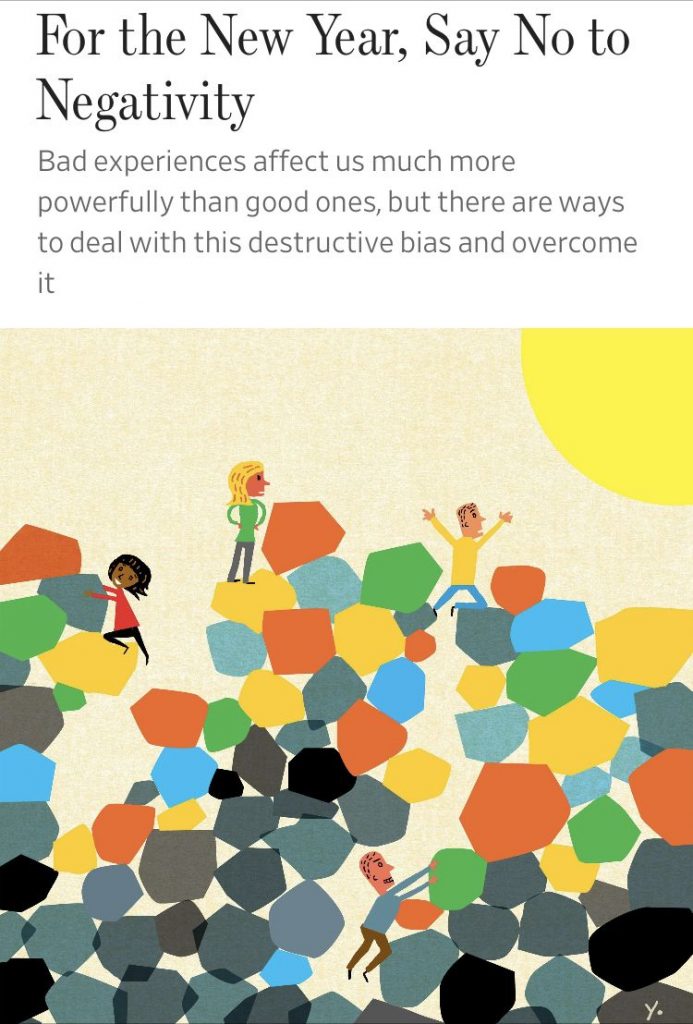
An article in the Wall Street Journal (WSJ) spotlighted the power of negative thinking and how that creates a sense of hopelessness and helplessness. Negative situations impact us more than positive situations so it skews our thinking. Researchers labeled it negativity bias and if we combat it, we’ll have more balanced lives.Â
Tips from the WSJ piece included: The Rule of Four — it takes four good things to overcome one bad thing). Let a negative situation teach you something and/or motivate you toward something better; turn a negative into a positive. Share good things from the past or present with people who’ll support you so you’ll realize all the good (and reciprocate!).Â
And, keep the big picture in view. Each year, Nicholas Kristof of the New York Times writes an on all the good things that have transpired. Among the statistics he highlighted: Every day in recent years, more than 325,000 people got electricity for the first time.Â
So, taking all that into consideration, I will take more breaks from gloom and doom in 2020. When the political stuff arises, I’ll pay attention but I’ll also pivot my attention to positive things in life.
Cook to Boost Brain Health
There’s joy and neurological enjoys cooking. Last week, my mom handed me the January 2020 issue of Brain and Life, saying, “You’re everywhere.†She was talking about a feature story about Paula Wolfert and how food and cooking can be great tools for maintaining memory and brain health.Â
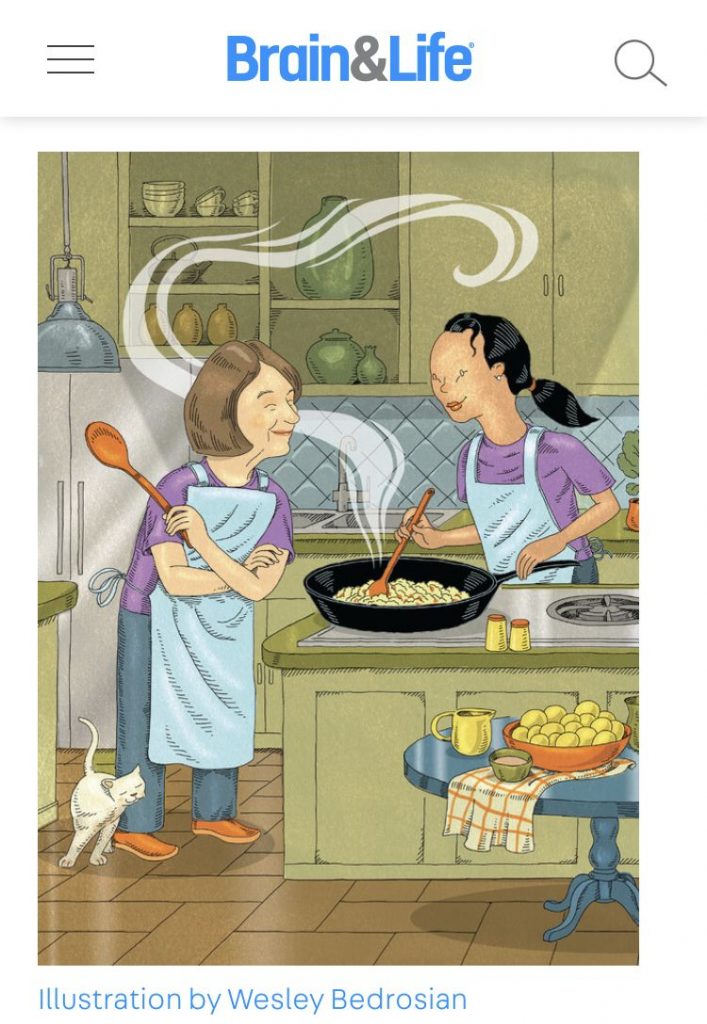
If you recall, a few years ago, my friends and I did a Kickstarter and produced a biography cookbook on Paula’s life. She has Alzheimer’s and our award-winning book, Unforgettable, included recipes that are brain healthy as well as those that illustrate Paula’s incredible journey as a culinary icon. Cooking, with all the physical, mental, and emotional factors involved -- is great for keeping you healthy in all those ways too. Read the Brain and Life story here.Â
A round-up of brain boosting foods and a few recipes are on this page of VWK.
Eat to Lower Inflammation
One of my nephews, who’s in his early 20s, has a heart condition. I was talking to my sister (his mom) about his condition and among the things they’re trying to address through diet is inflammation. I’m experiencing perimenopause and have been eating more foods to combat inflammation too. I’m sure you’ve read about how inflammation can trigger many other diseases and bad health situations.Â
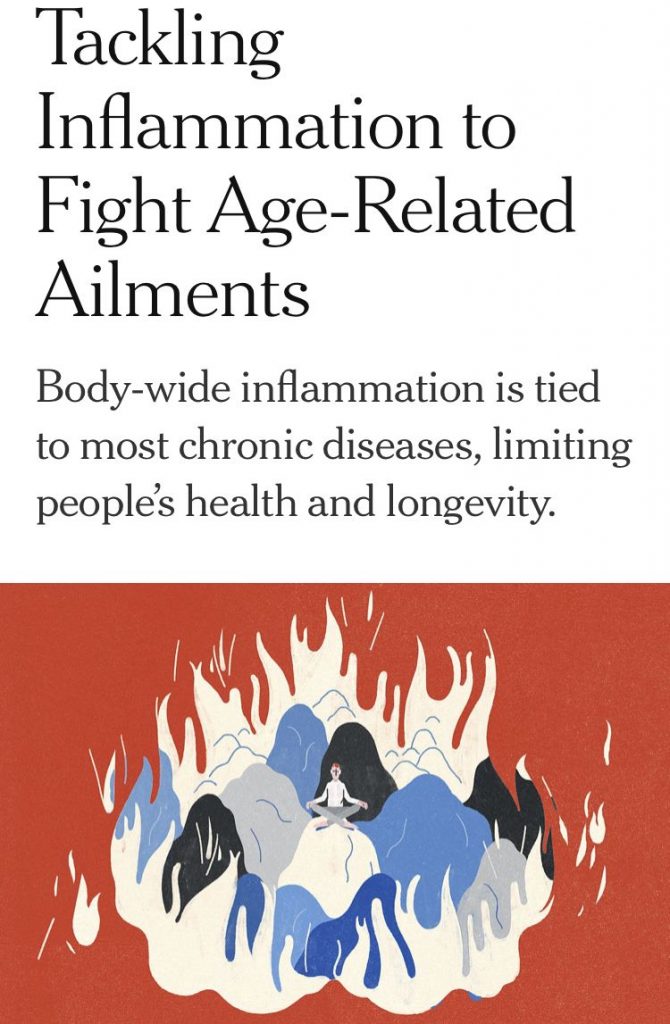
Jane Brody, a long-time health and nutrition columnist at the New York Times, offered interesting inflammation news in an article last week. There are pills being developed to combat inflammation. However, she advises, why wait for the pills? Eat your way to lower inflammation and better health. She mentioned a Meditteranean-style diet, exercise, meditation and many other things. Overall, Brody’s piece is about dealing with aging, but adding anti-inflammatory foods in a good idea for better health, as suggested on this Harvard page. Here’s a simple set of guidelines from the Mayo Clinic, too. Â
Blue Zone longevity diets of folks in places like Okinawa can also be great models for good health too. Check out the parameters here or read up this NPR story about Blue Zone diets.
I tweaked my diet with little things like eating less overall, lowering my animal protein by serving it as a side more than the main dish. For example, I may serve a veggie-centric Viet canh like this gingery greens and shrimp soup, a salad, plus a stir-fry of chicken or something featuring tofu like this Sichuan classic, Thai ditty or this Okinawan specialty. Most likely, there will be brown Jasmine rice.Â
This is all doable — I know I can cook in brainy ways while sticking to a healthy diet of low negativity and low inflammation. I’d been doing it here and there but now, I’m more cognizant of their positive impact, if I consistently practice them.
What are your 2020 resolutions? Do share!
kelly burton says
love it!!